When to Speed Dial: A Guide to Fast Urgent Care
Life throws curveballs, and sometimes those curveballs come in the form of sudden illness or minor injuries. When you're feeling under the weather and need medical attention, but it's not quite an emergency room situation, what do you do? Enter the realm of fast urgent care.
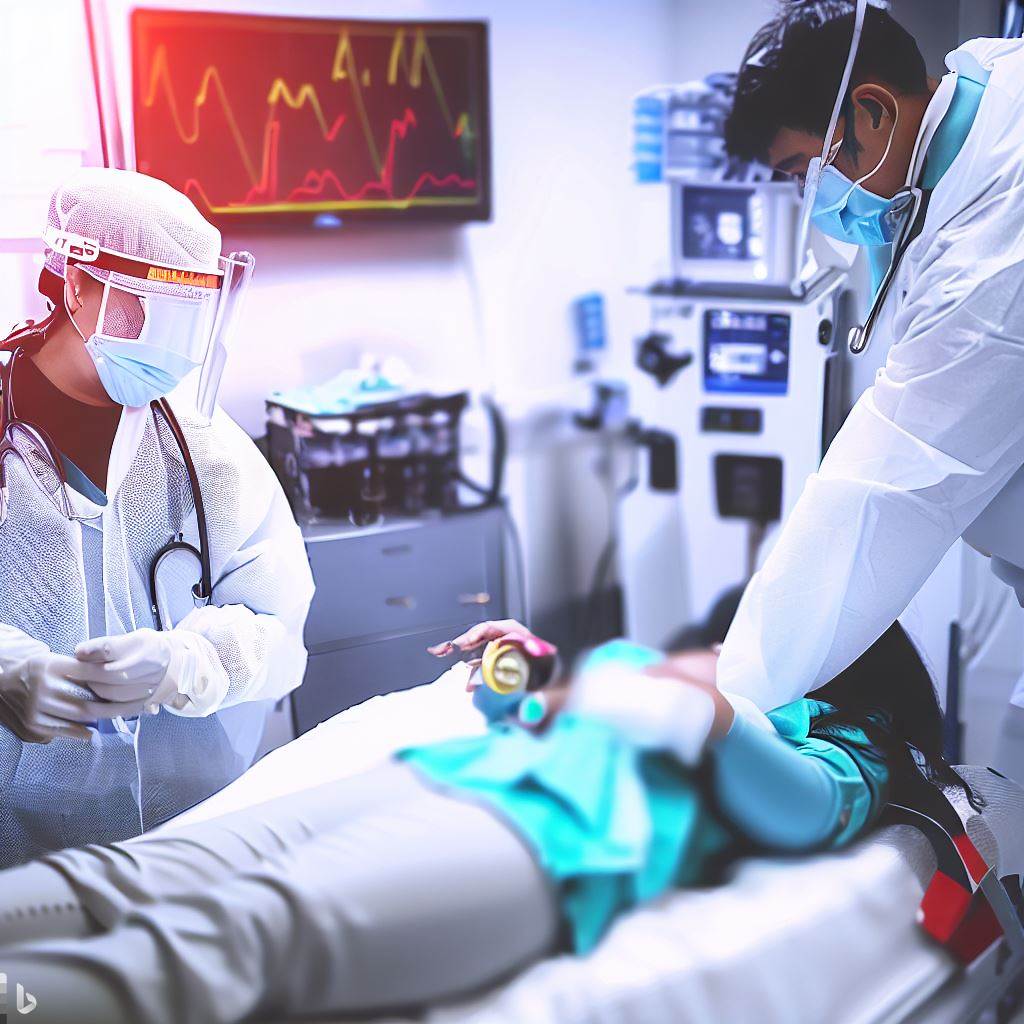
These walk-in clinics have become increasingly popular, offering a convenient and often more affordable alternative to traditional emergency rooms. But is fast urgent care the right choice for you? Let's delve into the world of quick medical attention and explore when it's the perfect pit stop on your road to recovery, and when you might need to hit the gas towards the ER.
Fast Urgent Care: Your Speedy Savior
Think of fast urgent care as your friendly neighborhood medical superhero, ready to tackle a range of common ailments and injuries:
- Fevers, coughs, and colds: Whether it's the chills of the flu or a hacking cough, urgent care can provide diagnosis, treatment, and prescriptions to get you feeling better fast.
- Urinary tract infections (UTIs): Those burning bathroom trips? Urgent care can offer testing, antibiotics, and pain relief to get you back on track.
- Minor cuts, sprains, and burns: From stitches for that accidental kitchen knife encounter to X-rays for a sprained ankle, urgent care can handle basic wound care and assess potential bone breaks.
- Allergic reactions: Whether it's itchy hives or a bee sting gone wrong, urgent care can provide antihistamines and other medications to manage your symptoms.
- Routine immunizations: Need your annual flu shot or tetanus booster? Urgent care can get you caught up on your vaccinations.
But Wait, is it ER Time? When Fast Urgent Care Takes a Backseat
While fast urgent care is a fantastic option for many situations, it's crucial to recognize when your health concerns require the specialized care of an emergency room:
- Severe chest pain, difficulty breathing, or uncontrolled bleeding: These are all red flags signaling potentially life-threatening emergencies. Don't hesitate to call 911 or head straight to the ER.
- Head injuries with loss of consciousness, severe confusion, or persistent headaches: These could indicate serious internal trauma, and immediate medical attention is essential.
- Broken bones with significant deformity or inability to move the affected limb: While urgent care can handle some minor fractures, complex breaks require specialist care in an ER setting.
- Severe abdominal pain, vomiting blood, or black stools: These could be symptoms of internal bleeding or other serious conditions requiring immediate evaluation and treatment.
Fast or Faster: Deciding Between Urgent Care and Emergency Rooms
Remember, when in doubt, always err on the side of caution and prioritize your health. If you're unsure whether your situation warrants urgent care or the ER, consult a healthcare professional or call 911 for guidance.
Comments
Post a Comment